Overhand Knot
Also known as:Single Knot, Thumb Knot
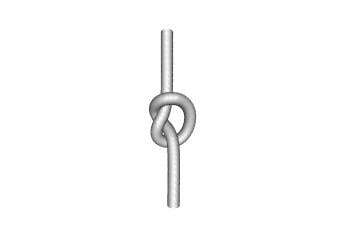
Description
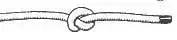
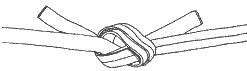
The overhand knot is the simplest and most fundamental of all knots, formed by passing the working end over and through a loop. It serves as the building block for many more complex knots. This knot is widely recognized across virtually every culture that uses rope.
Common Uses
Used as a simple stopper knot at the end of a rope, as a temporary fix, or as the basis for more advanced knots like the Figure Eight or Fisherman's Knot.
When to Choose This Knot
Choose this knot when you need a simple building block for practice, light utility work, or as part of a larger knot system. Basic knots are useful because they are fast to learn, but they still need to be dressed neatly and loaded in the intended direction.
Safety Notes
- Do not rely on a basic knot for life-safety, lifting, climbing, or rescue unless a qualified instructor has confirmed the complete system.
- Inspect the rope for cuts, glazing, stiffness, or contamination before tying.
- Leave an adequate tail and retighten the knot after the first load.
How to Tie
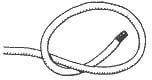
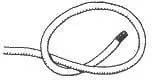
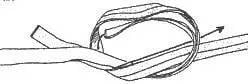
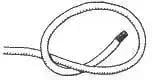
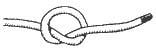
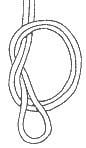
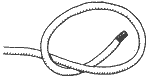
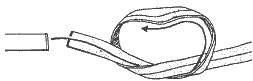
- 1Form a loop by crossing the working end over the standing part.
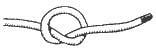
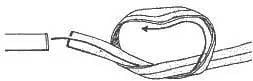
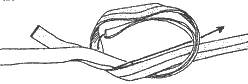
- 2Pass the working end up through the loop from underneath.
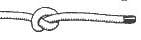
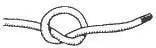
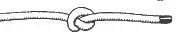
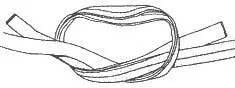
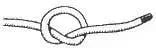
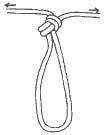
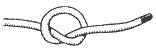
- 3Pull both ends to tighten the knot.
- 4Adjust the knot so it sits neatly against the rope.
Common Mistakes
- Using the knot because it is familiar rather than because it matches the load direction.
- Leaving a short tail that can creep back through the knot.
- Failing to dress the knot, which reduces clarity and can make inspection difficult.