Series of Overhand Knots
Also known as:Monkey Chain
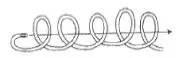
Description
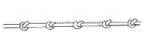
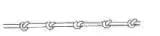
This technique creates a chain of interconnected overhand knots along a single rope, also known as a monkey chain. Each knot locks into the previous one, forming a neat series that can be used to shorten a rope or create a decorative pattern. The result is a compact, braided-looking segment.
Common Uses
Used to shorten a rope without cutting it, to create a decorative lanyard, or to prevent a rope from tangling during storage.
When to Choose This Knot
Choose this knot when you need a simple building block for practice, light utility work, or as part of a larger knot system. Basic knots are useful because they are fast to learn, but they still need to be dressed neatly and loaded in the intended direction.
Safety Notes
- Do not rely on a basic knot for life-safety, lifting, climbing, or rescue unless a qualified instructor has confirmed the complete system.
- Inspect the rope for cuts, glazing, stiffness, or contamination before tying.
- Leave an adequate tail and retighten the knot after the first load.
How to Tie
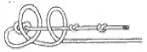
- 1Tie a loose overhand knot near the end of the rope.
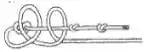
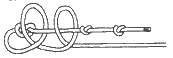
- 2Pass a bight of rope through the loop of the first knot.
- 3Tighten the first knot around the bight to form a new loop.
- 4Continue passing a bight through each newly formed loop.
- 5Repeat until the desired length is shortened.
- 6Finish by passing the end through the final loop and tightening.
Common Mistakes
- Using the knot because it is familiar rather than because it matches the load direction.
- Leaving a short tail that can creep back through the knot.
- Failing to dress the knot, which reduces clarity and can make inspection difficult.