Timber Hitch
Also known as:Lumber Knot
Description
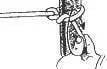
The timber hitch is designed to secure a rope around a log, plank, or cylindrical object by wrapping the working end around the object and then tucking it back under its own turns. The knot grips by friction and is self-tightening under load. It is quick to tie and untie.
Common Uses
Used in logging, construction, and general hauling for dragging or lifting cylindrical objects such as logs, poles, or pipes.
When to Choose This Knot
Choose this knot when fastening rope to an object, spar, rail, post, ring, or another rope. Hitches depend heavily on friction and the shape of the object they wrap around.
Safety Notes
- Test the hitch under controlled load before relying on it.
- Avoid sharp edges and smooth surfaces that can let the hitch roll or slide.
- Use extra turns, backups, or a different hitch if the load may cycle or change direction.
How to Tie
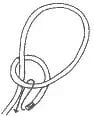
- 1Pass the working end around the log or cylindrical object.
- 2Wrap the working end around the standing part two or three times.
- 3Tuck the working end back under the last wrap.
- 4Pull the standing end to tighten the hitch against the object.
- 5Adjust the wraps to ensure even grip along the object.

Common Mistakes
- Tying around an object that is too smooth, tapered, or unstable.
- Loading the hitch before the wraps are snug and aligned.
- Forgetting that many hitches release quickly when the load direction changes.