Portuguese Bowline
Also known as:Portuguese Double Loop
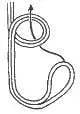
Description
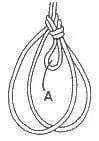
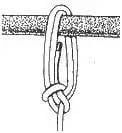
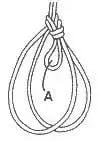
The Portuguese bowline produces two fixed, equal-sized loops side by side from a single rope end. Both loops are securely locked and will not slip. It is more complex to tie than the French bowline but provides a more balanced and symmetrical result.
Common Uses
Used in maritime and rescue contexts where two fixed load-bearing loops are needed, such as hoisting a person or suspending equipment.
When to Choose This Knot
Choose this knot when you need a loop that can connect to a post, ring, hook, carabiner, handle, or another rope part. Loop knots differ in whether they stay fixed, cinch down, or remain easy to untie after loading.
Safety Notes
- Confirm whether the loop is intended to be fixed or sliding before applying load.
- For climbing or rescue, use only knots and rope systems approved by your training program or local standard.
- Check that the standing part, tail, and loop are oriented correctly before loading.
How to Tie
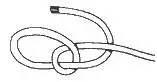
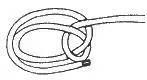
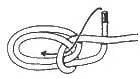
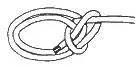
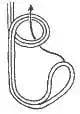
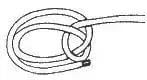
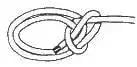
- 1Form a bight and tie a loose overhand knot, leaving the bight extended.
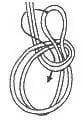
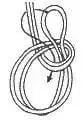
- 2Fold the bight back over the standing part to create two loops.
- 3Pass the bight through the overhand knot from the opposite side.
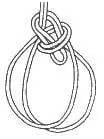
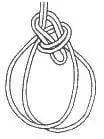
- 4Pull each loop to adjust them to matching sizes.
- 5Tighten the knot body by pulling the standing end.
- 6Dress the knot so both loops are symmetric and the wraps are parallel.
Common Mistakes
- Confusing a fixed loop with a noose or running loop.
- Loading the loop from an unintended angle.
- Skipping a backup knot where the application requires one.